

I recently visited the forum and was pleasantly surprised that the power outages and other nonsense in Ukraine
didn't affect the work on creating software for satellite PCI cards 
On the contrary, our ranks have been swelled by new young, energetic, creative, and, most importantly, talented
and incredibly hardworking programmers! It's no secret that evil tongues say they use AI, but I don't believe it
- after all, AI is a huge adding machine that searches, ranks, and summarizes information on a given topic across
the vast expanses of the internet, summarizes the findings, and makes "its own" recommendations based on that
information... It's simply INCAPITAL to create your own original invention {program} without the help of a creative person.
But I've digressed – I'm incredibly pleased with the lively forum activity, the rapid growth of our ranks, and
the interesting and promising work of new participants. And, of course, the opportunity to compare my results
with the best mainstream achievements.
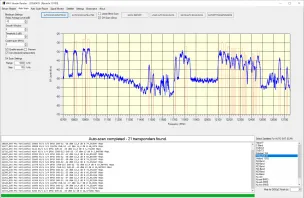
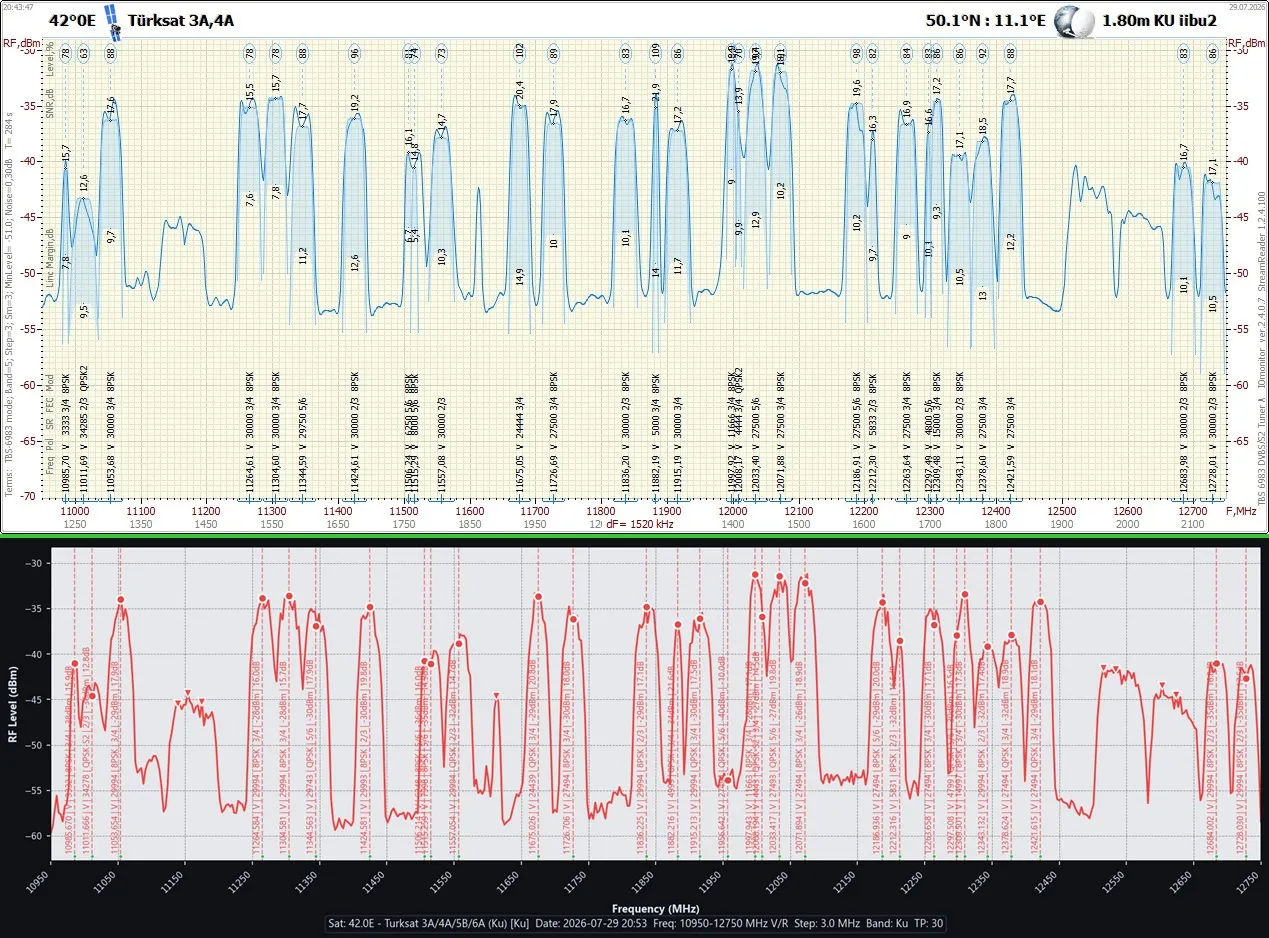
Like many DXers, I've always been interested in the problem of finding low-speed transponders. And then I saw a
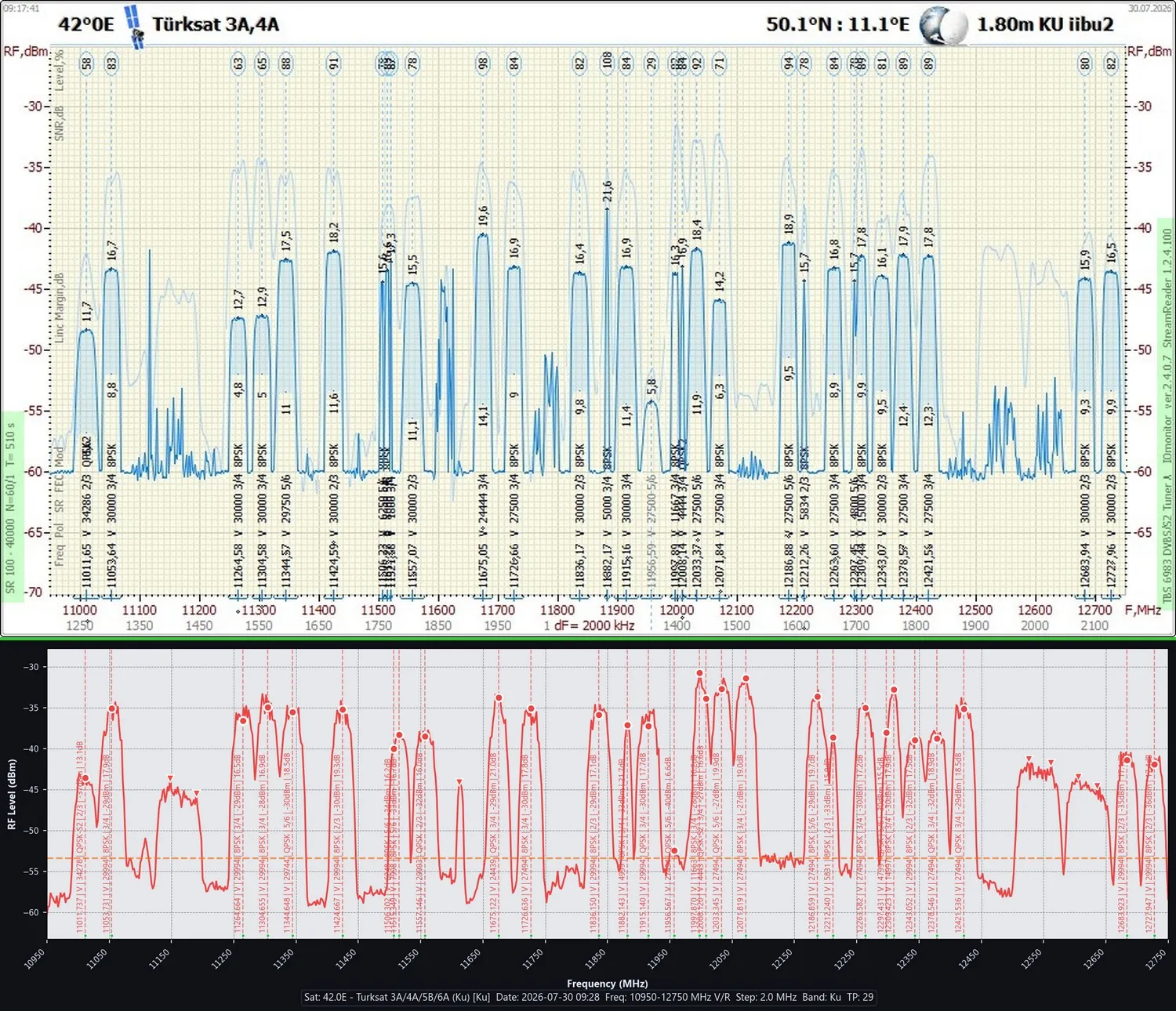
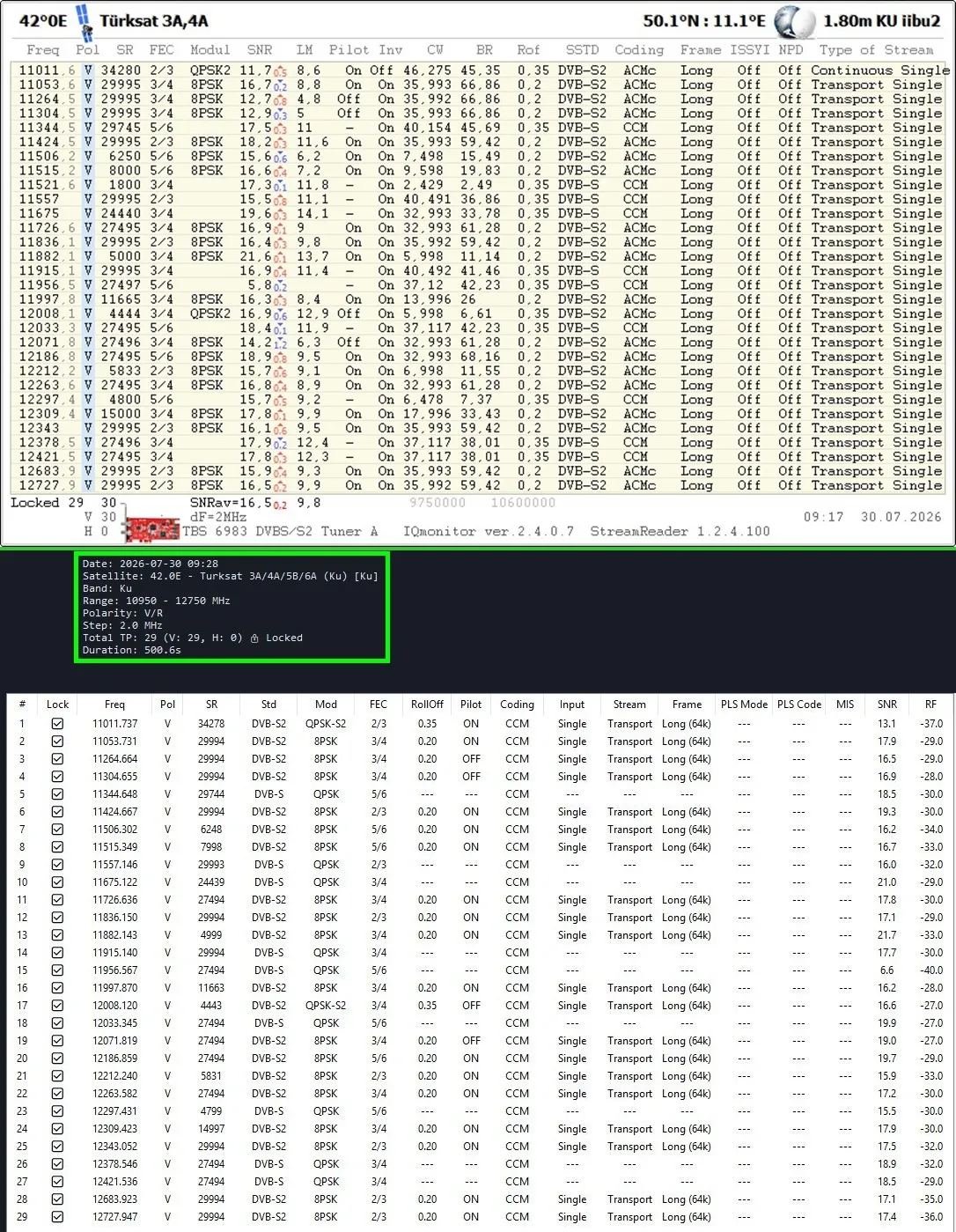
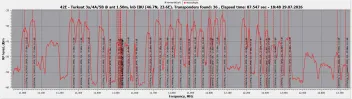
very interesting spectrum, which I determined to be the spectrum from 42°E, which is the target of my "rotating"
(but due to some circumstances in which my balcony door was torn from its metal fittings, it is now "fixed")
1.05m antenna:
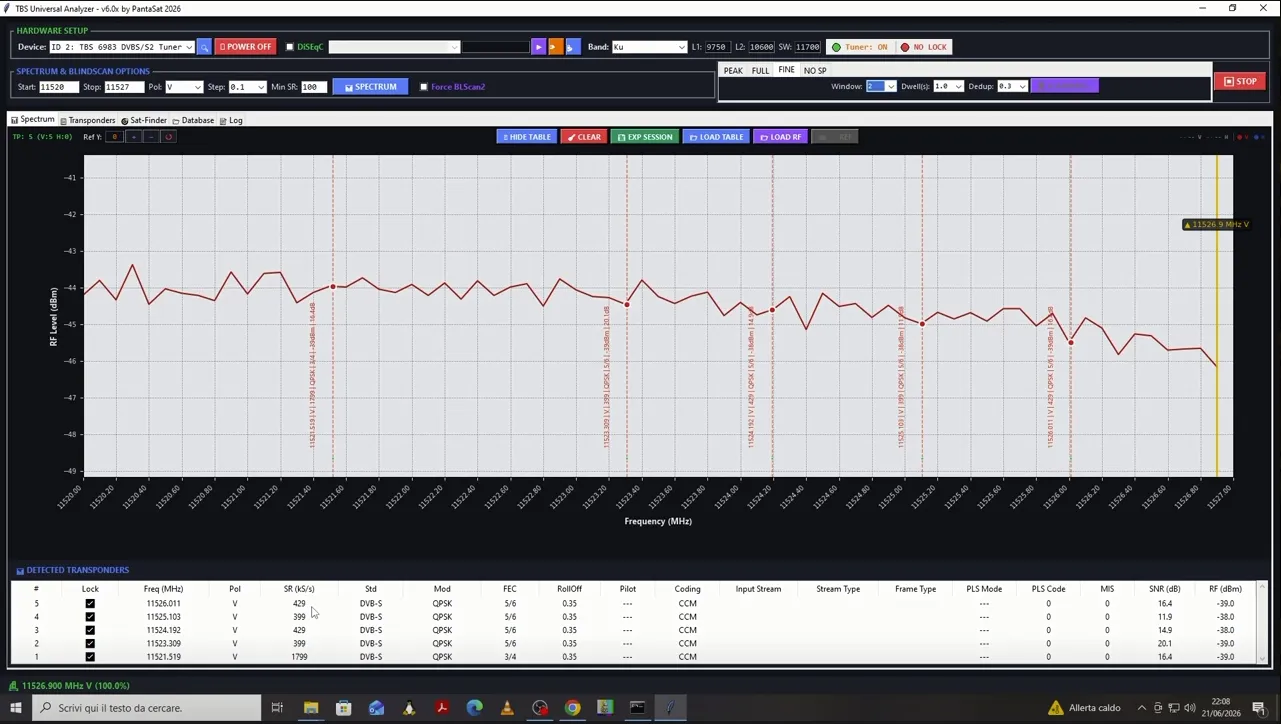
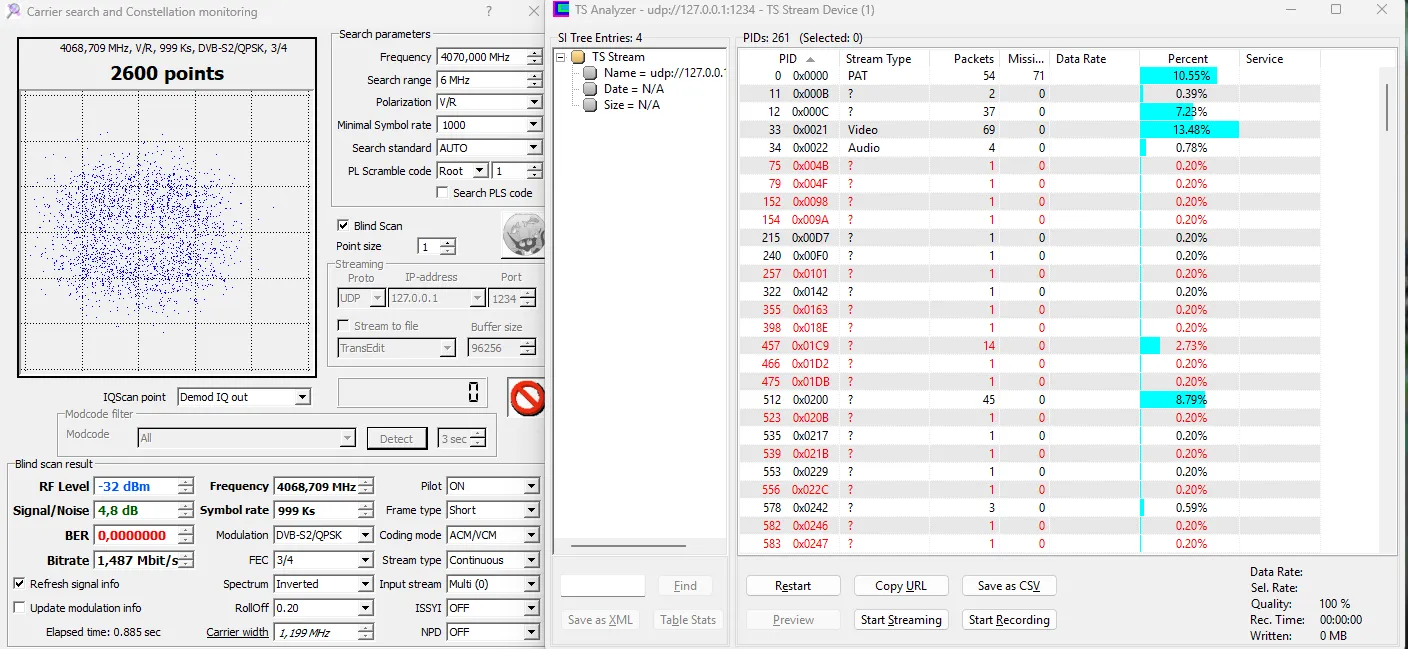
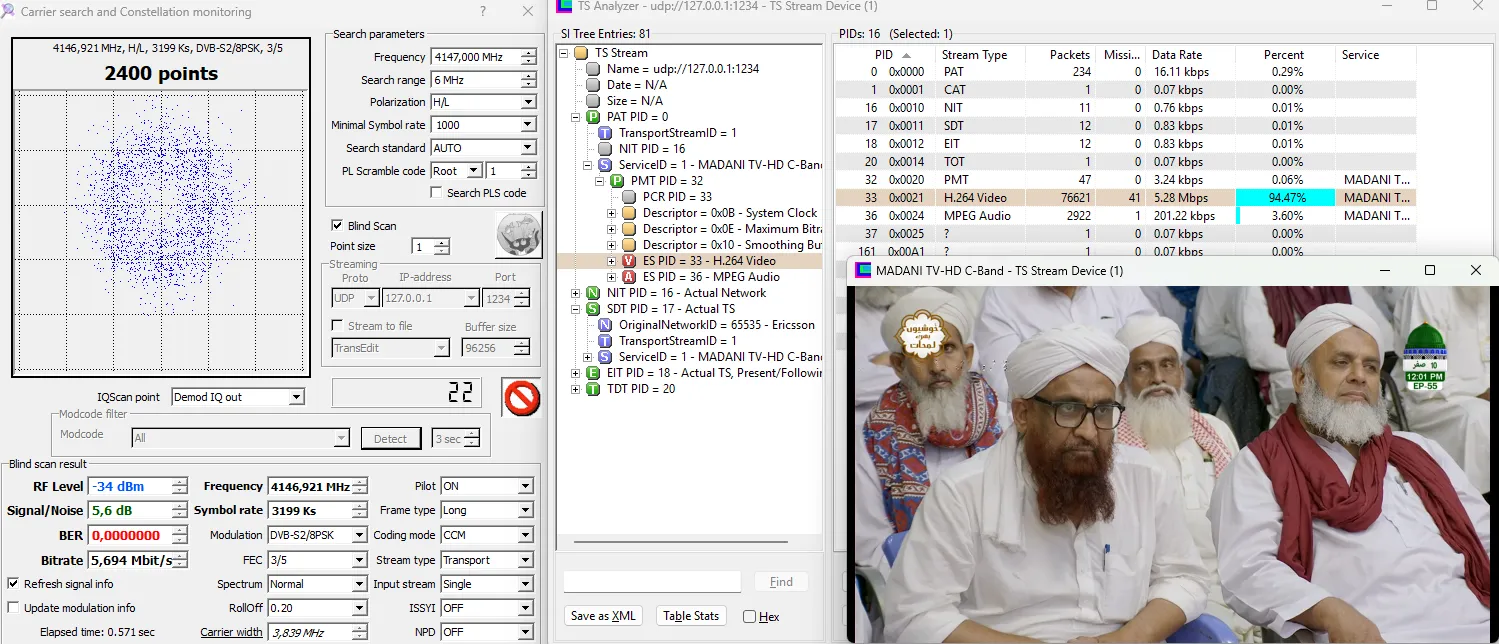
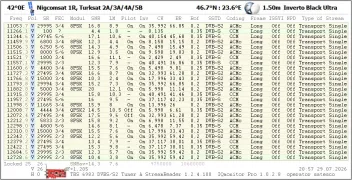
As you can see from the video, a "blind search" with a 0.1 MHz step found 5 transponders in 137 seconds
(27.4 seconds per transponder) with a noise figure of ~1 dB. The average scanning speed was 19.6 sec/MHz. The main
transponder parameters (reported by StreamReader) are shown in the table. Including "clumsy" SR and integer RF
values inflated by 6 dB...
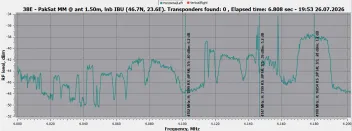
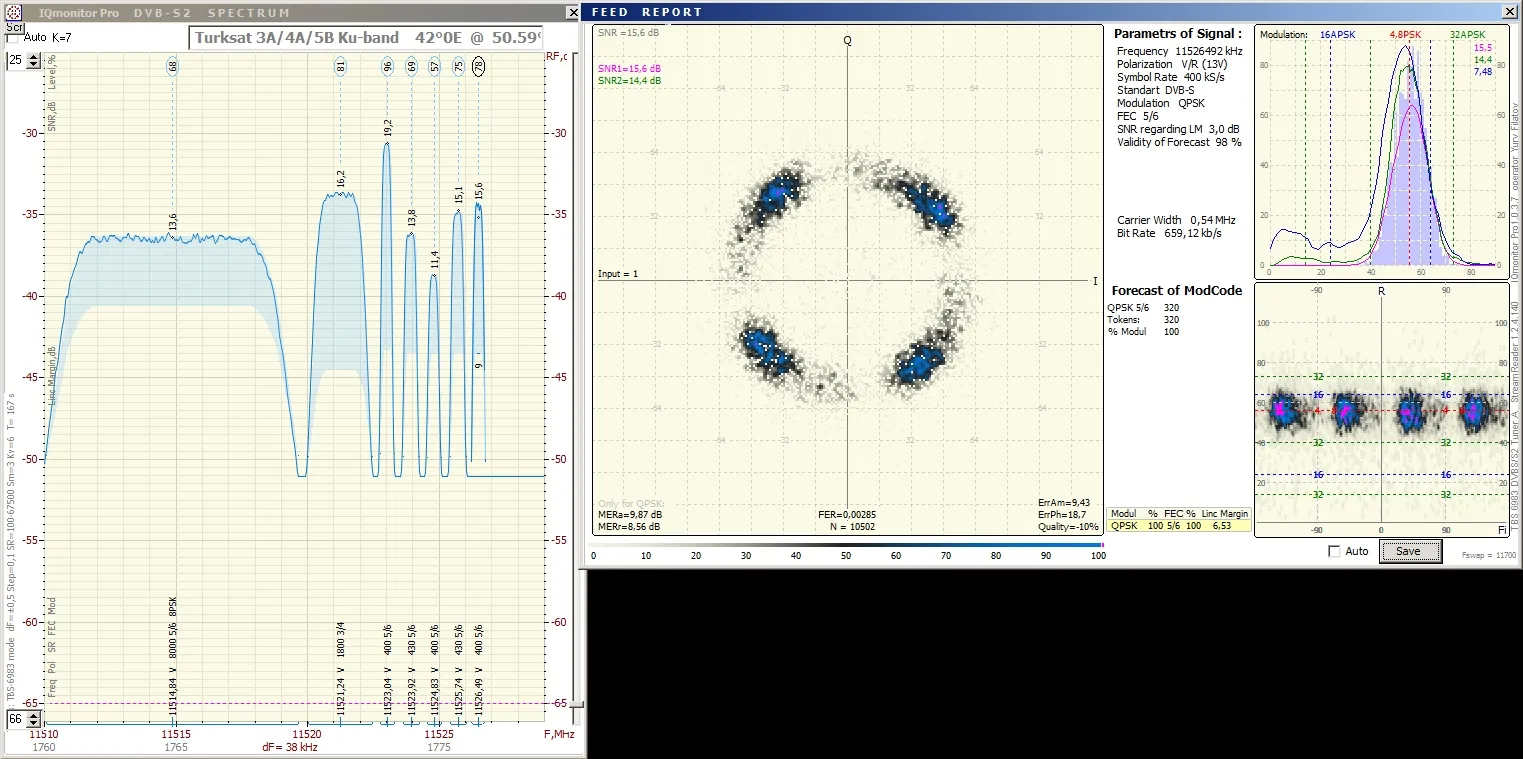
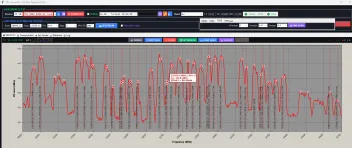
I called up IQmonitor Pro with a similar StreamReader to the highly respected crazycat , set the search step to
38 kHz in the 11520-11529 MHz range, and ran the BLS procedure without first recording the RF spectrum in HR
(high-resolution spectrum) mode:

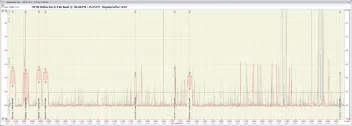
As a result, the spectrum was acquired in 167 seconds at a rate of 8.8 seconds/MHz (exactly 2 times faster). HR
BLS found 6 transponders (27.8 seconds/transponder – a similar average transponder search speed).
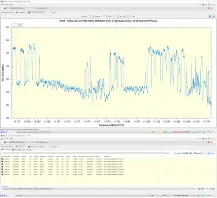
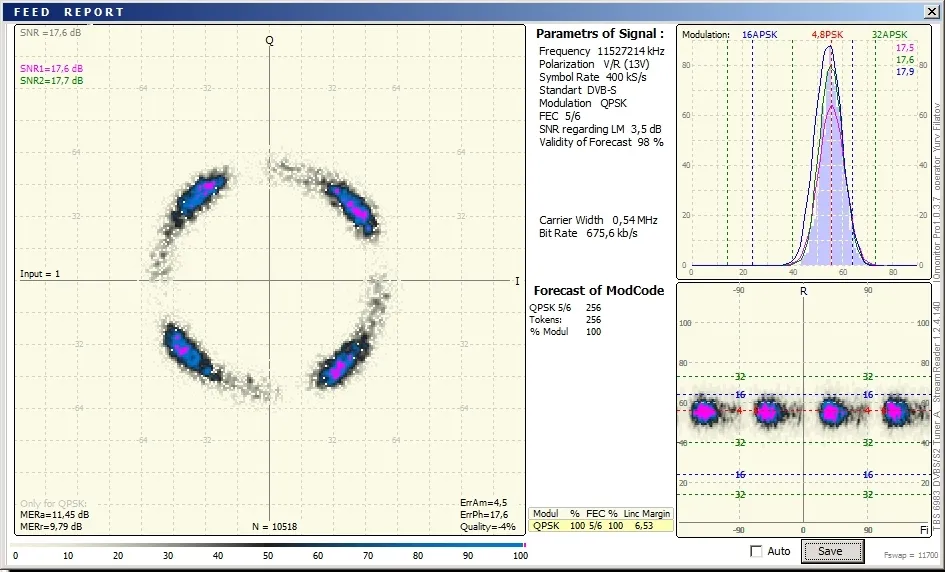
"Manual" search via the Feed Report procedure on a frequency of 11526.49 MHz Another low-speed transponder was
found:
Why at this frequency? More on that later. Or rather, going back through the chronology of the experiment, I
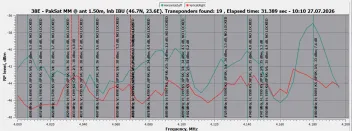
performed a procedure to plot an HR spectrum, which shows that this transponder has an undefined FEC value due to
powerful combination interference. Therefore, it was decided to refine it manually (as with subsequent
transponders):

A similar decision was made for the 11527.21 MHz frequency:
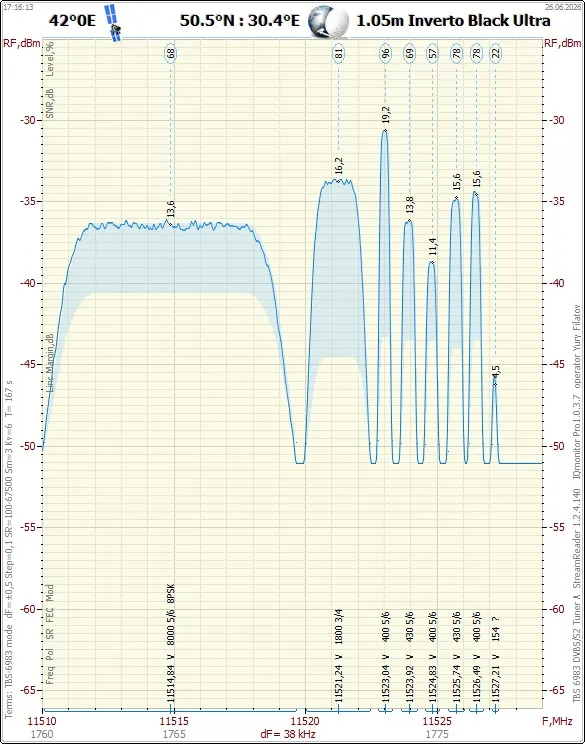
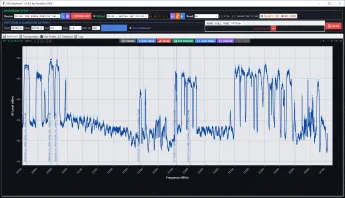
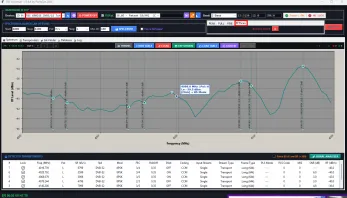
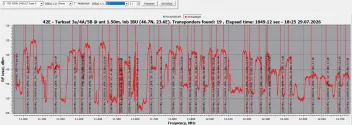
Finally, an HR spectrum was obtained with eight low-speed transponders:
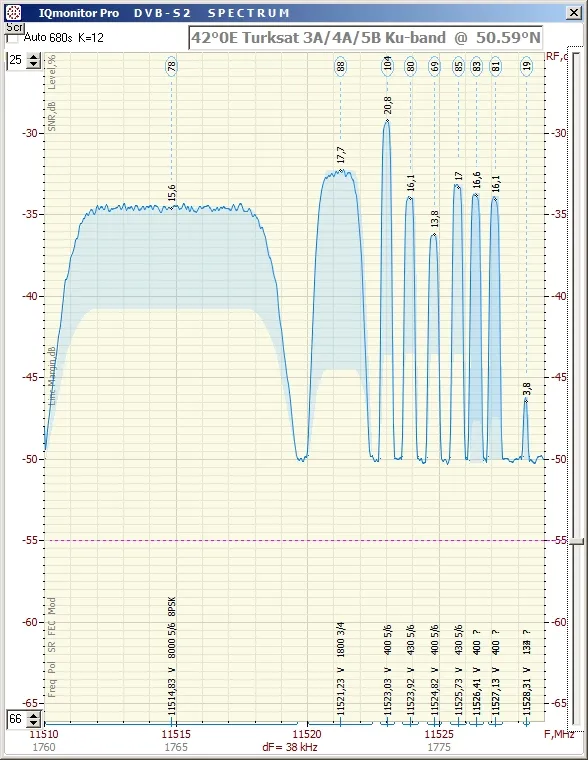
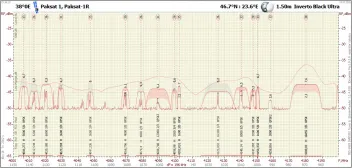
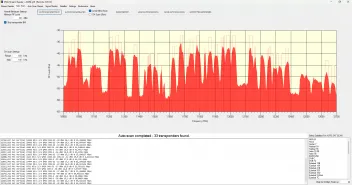
And finally, another screenshot of the 11520 - 11530 V range with an HR step of 20 kHz :
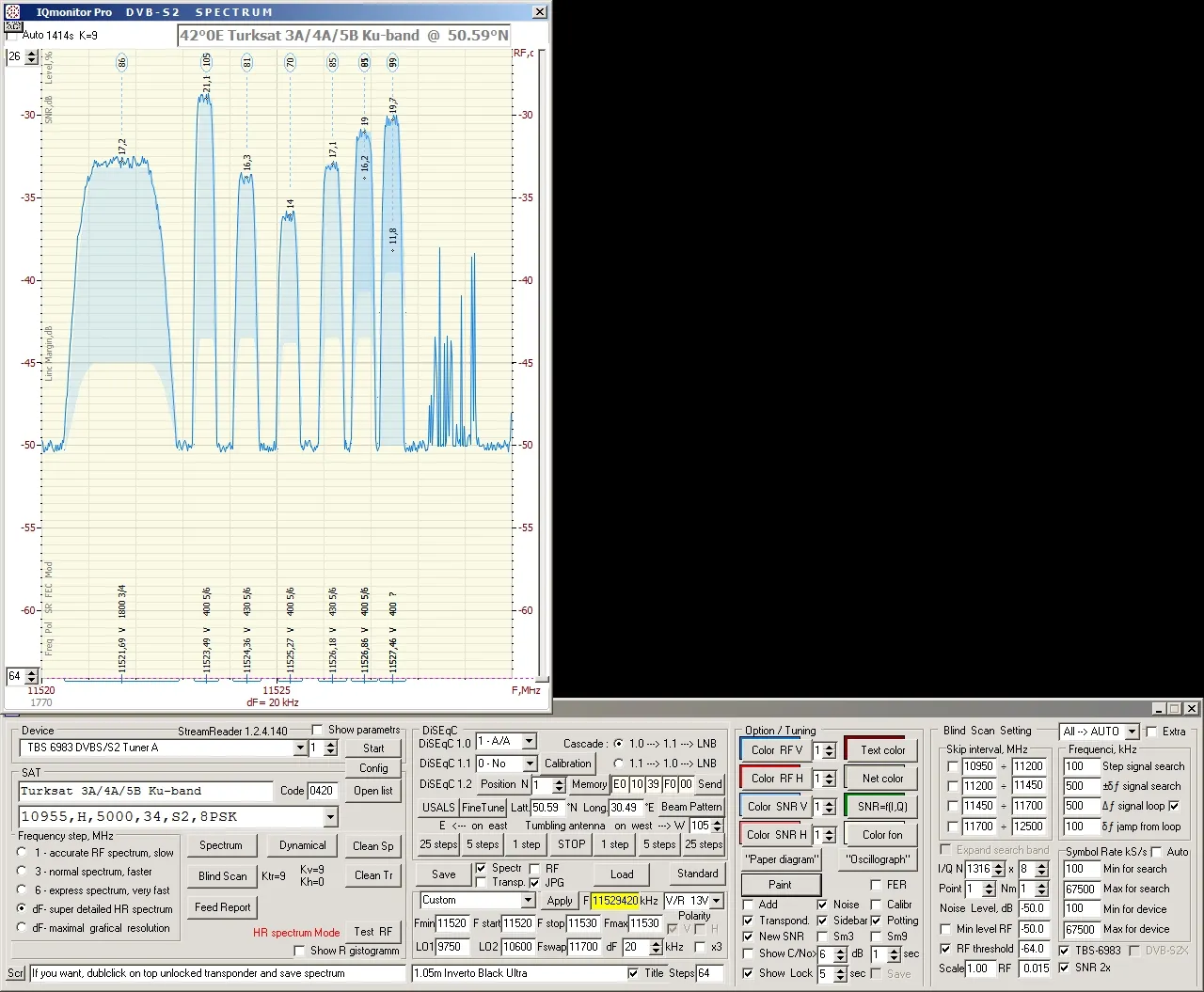
You can see all the transponder search parameters. Due to the very fine frequency increments of the HR spectrum,
the scan took almost 24 minutes, but you can appreciate the increase in SNR by checking the "SNR 2x" box.
But that's a topic for another serious discussion (why is the "TBS-6983" card checked for the "SNR 2x" search
mode?)
Good luck and good health to everyone 
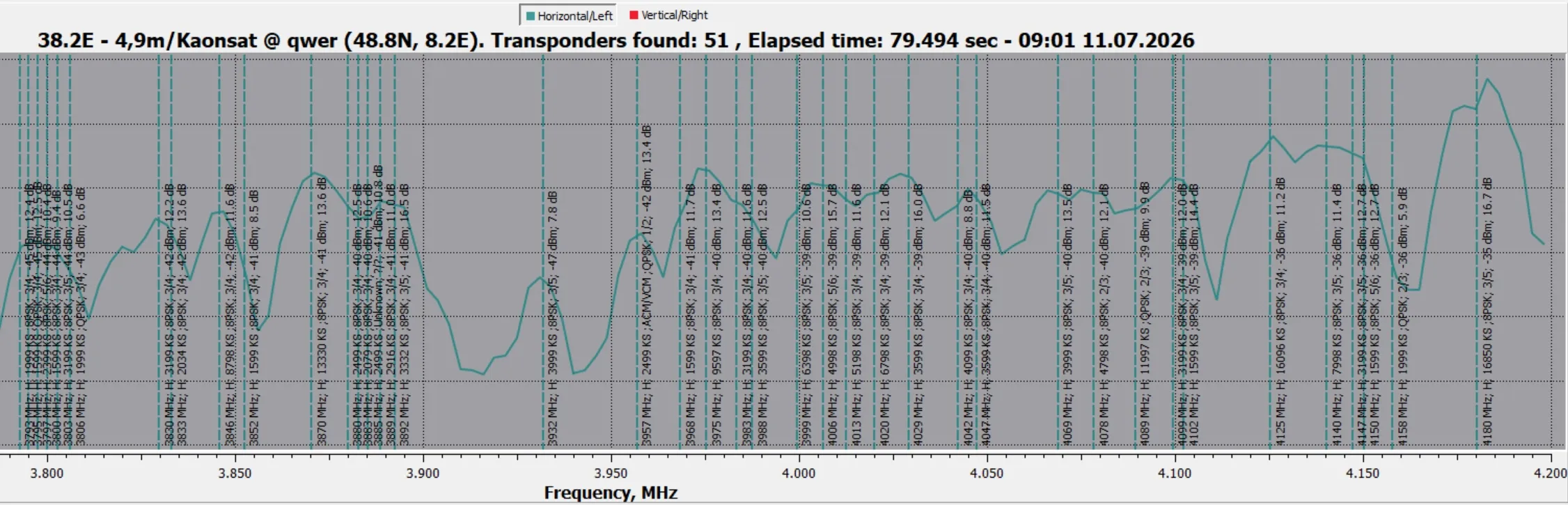
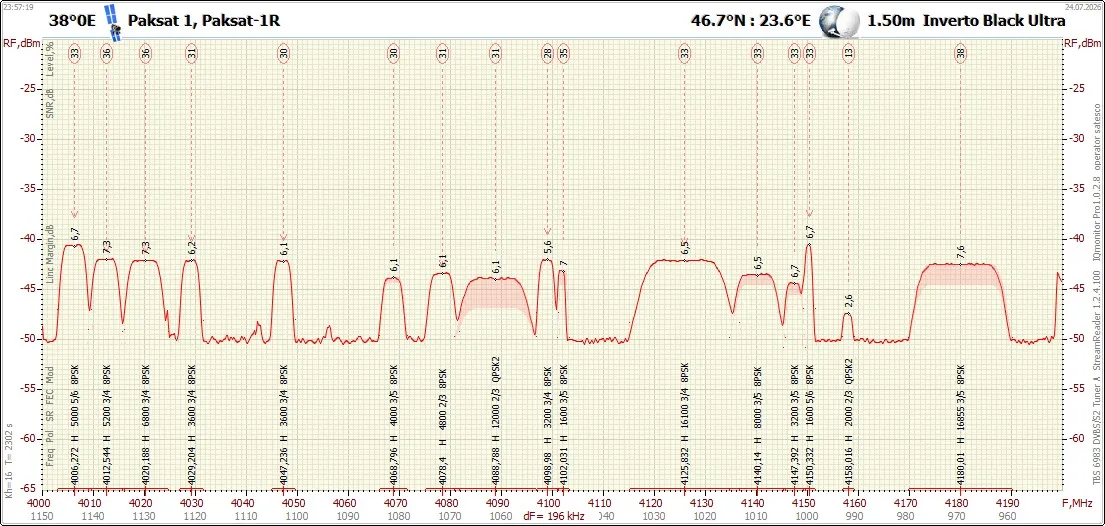

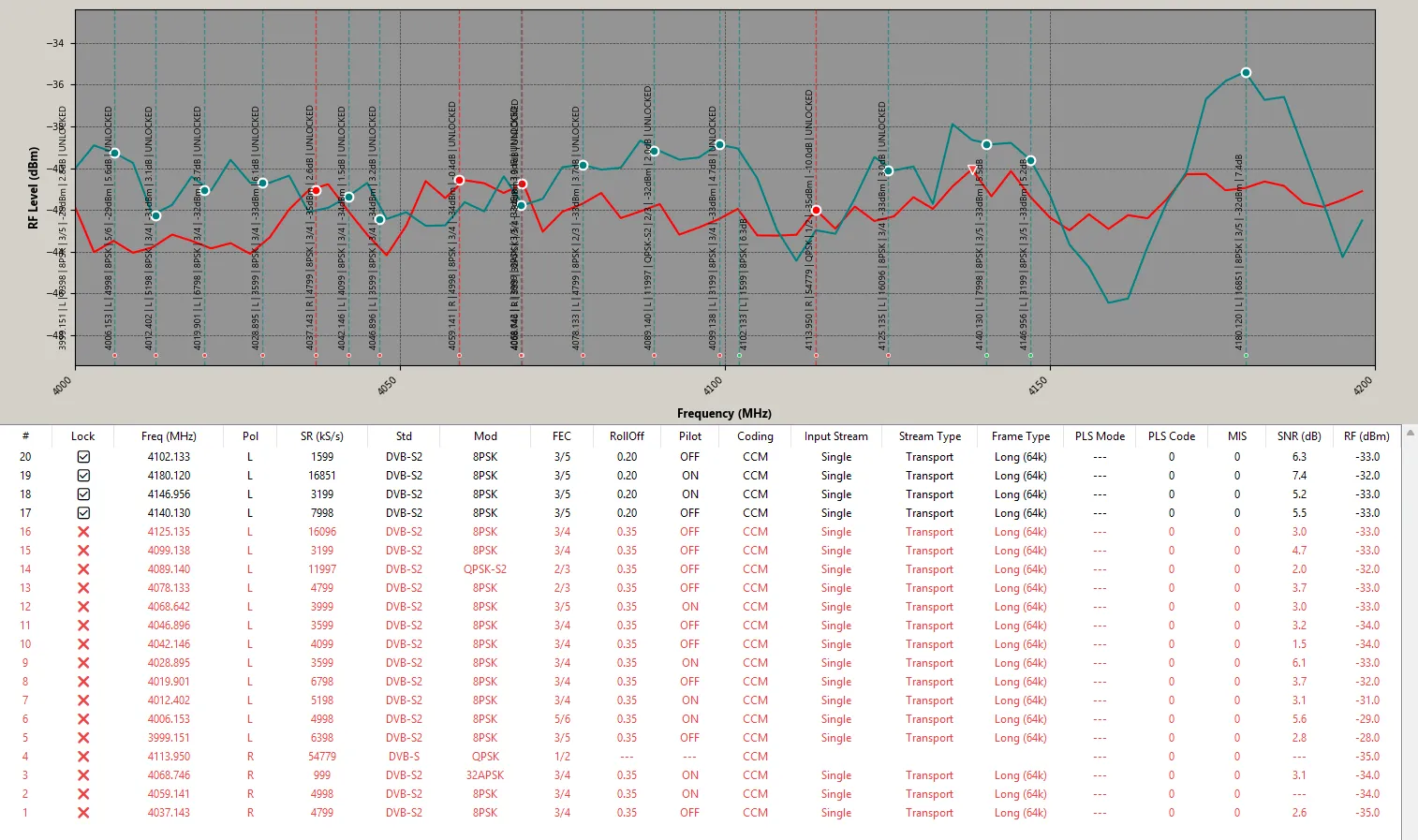
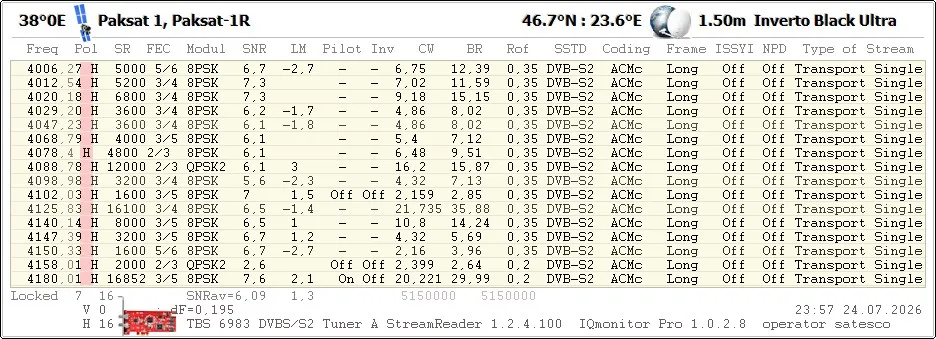

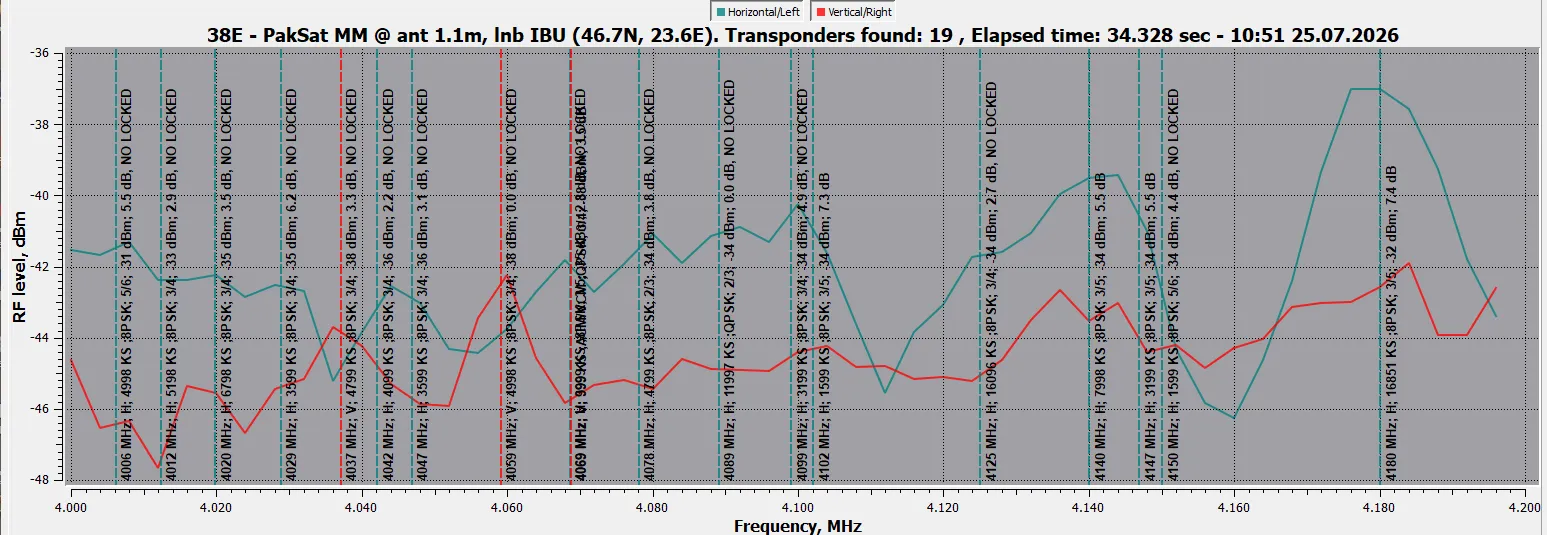





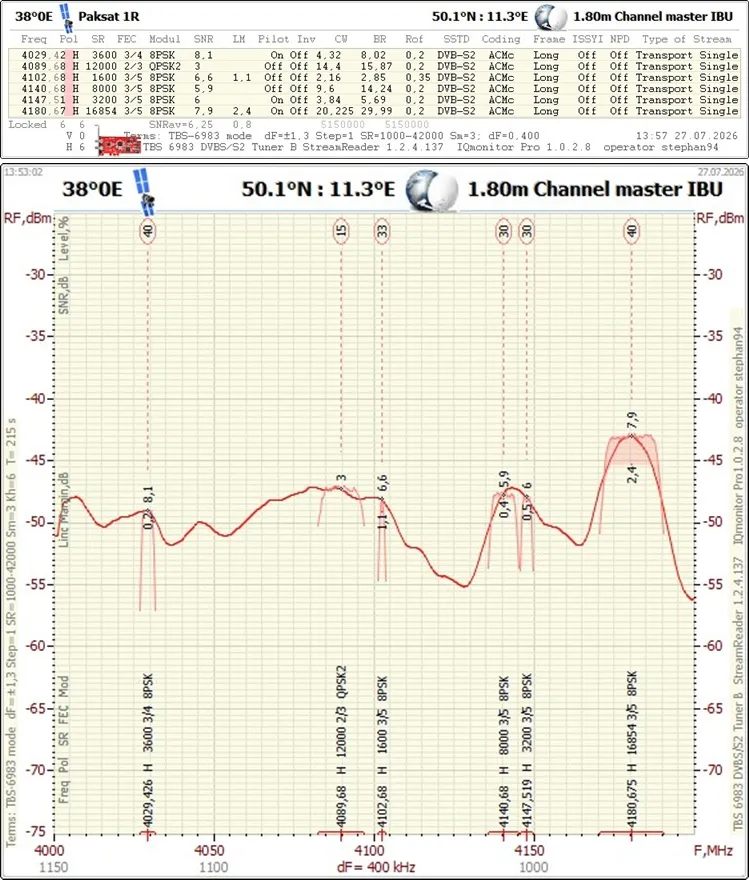
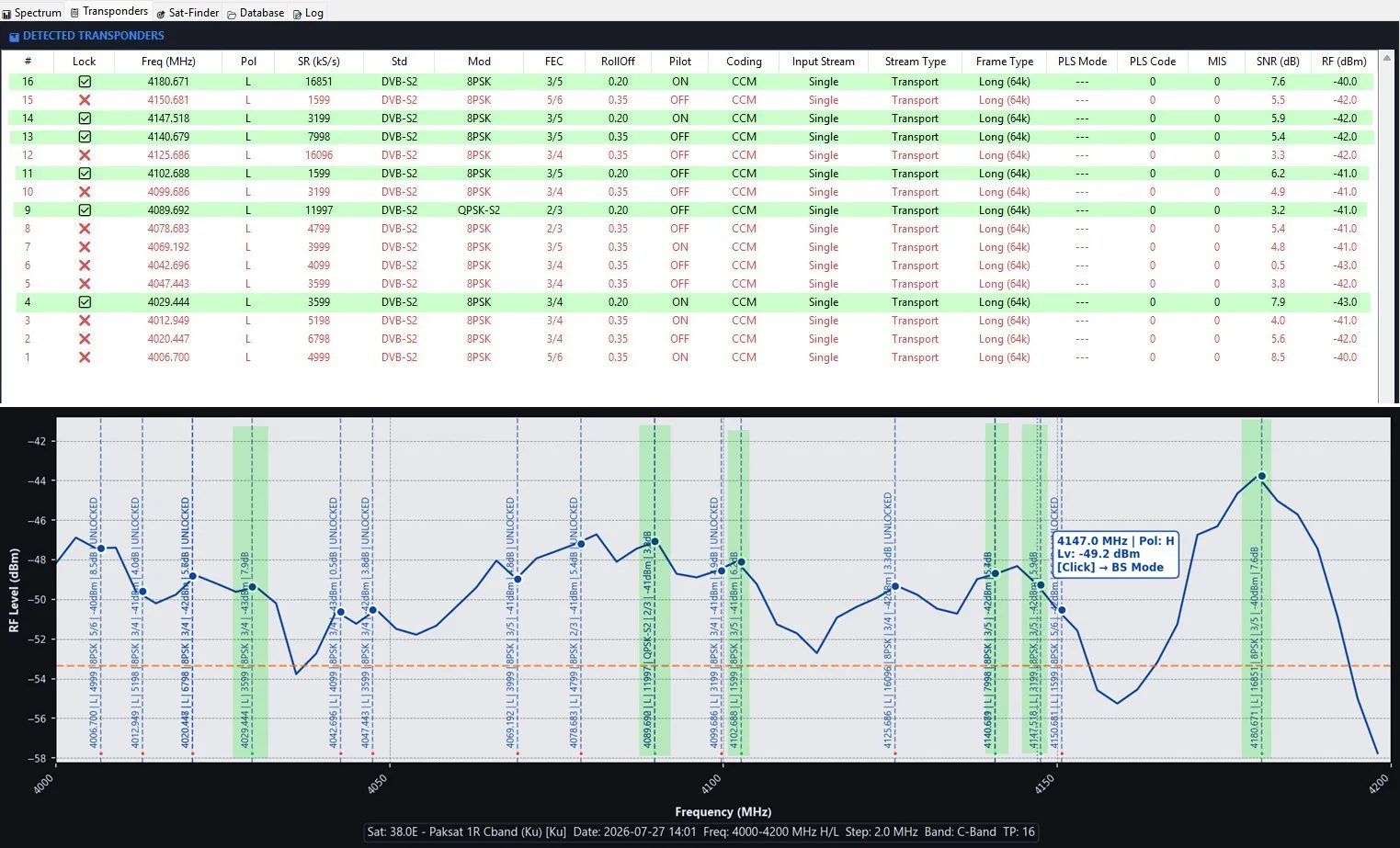
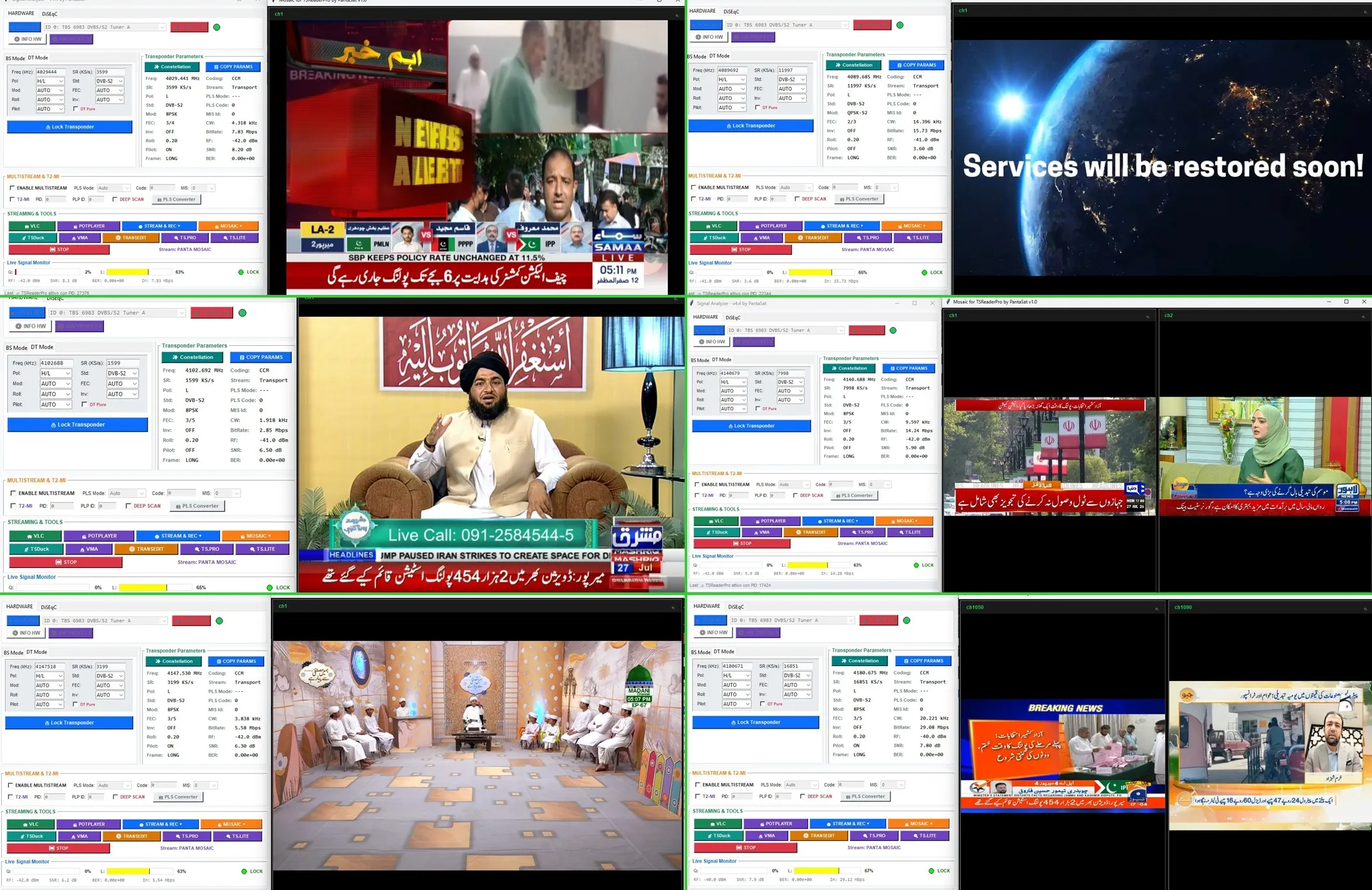


 You've confirmed your reputation as a superb experimenter and the best IQmonitor user.